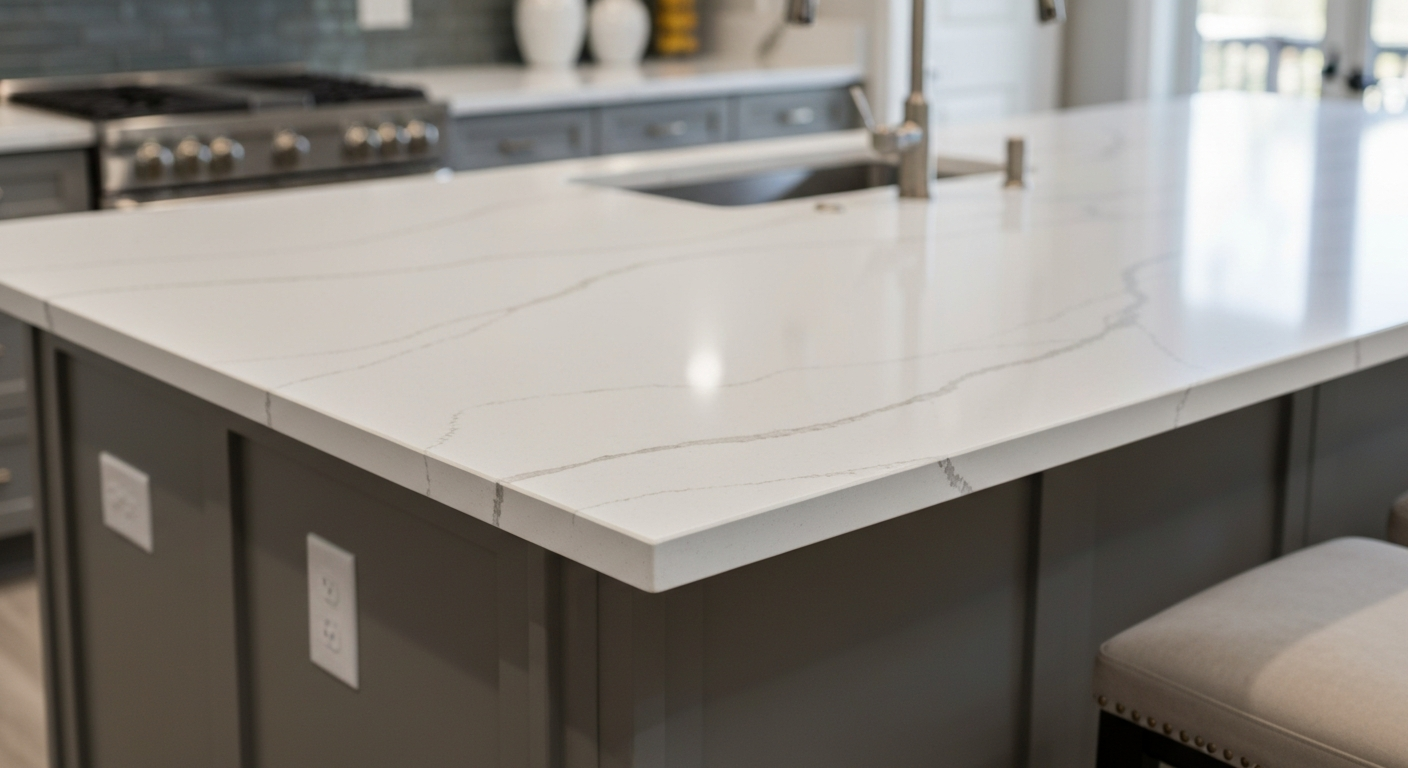
When selecting quartz or granite for your new countertops, you'll eventually be asked to choose between two standard thicknesses: 2cm (about 3/4 inch) and 3cm (about 1 1/4 inches). While half an inch might not seem like a big deal, it significantly impacts the cost, installation, and overall aesthetic of your kitchen or bathroom.
3cm Countertops (1 1/4")
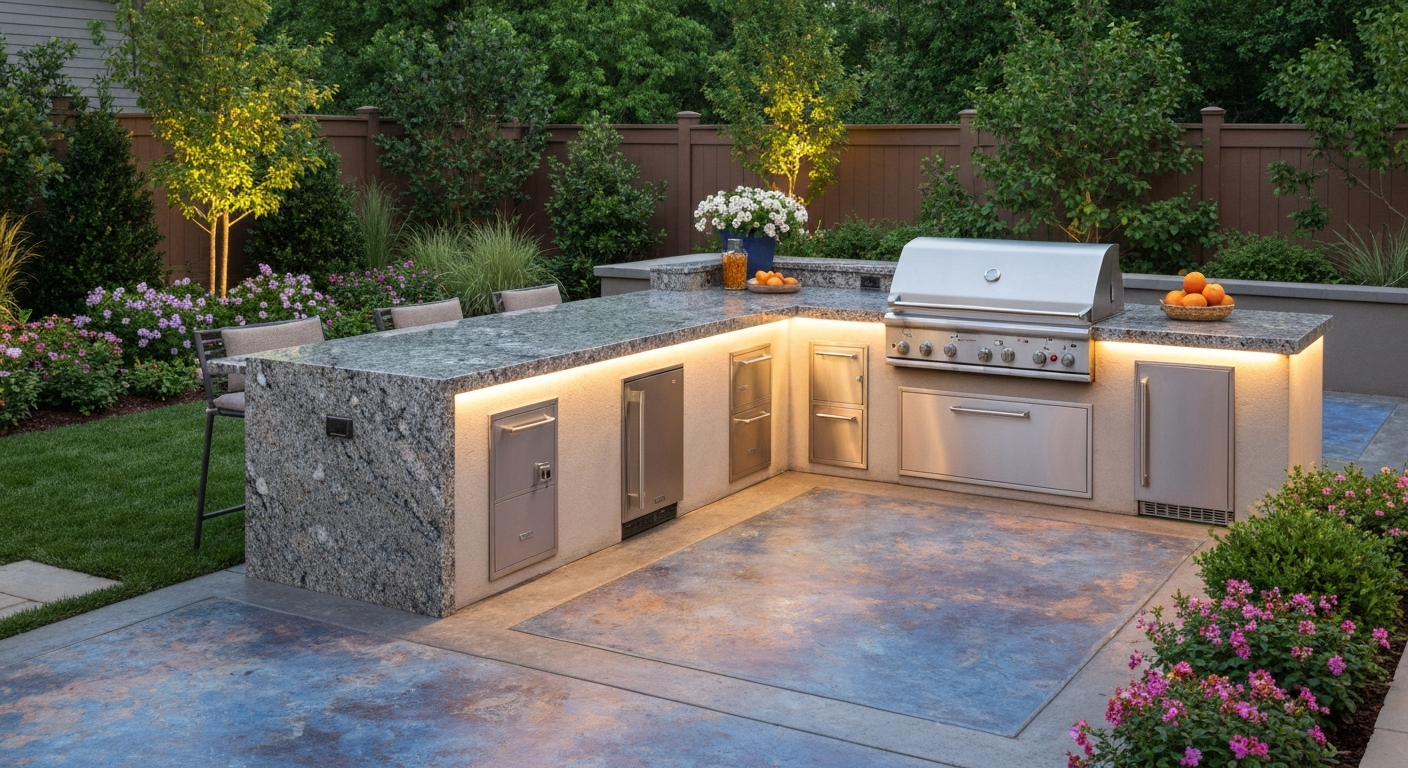
For decades, 3cm has been the industry standard for premium kitchens, especially with granite. It provides a thick, substantial look that screams luxury.
Pros
- No Substrate Required: Because of its structural integrity, 3cm stone can be installed directly onto cabinets without needing a plywood sub-base.
- Greater Overhangs: It can support larger unsupported overhangs (up to 10-12 inches) for seating areas on islands.
- Luxurious Aesthetic: The thicker edge profile provides a more substantial, high-end appearance.
- Durability: It is inherently stronger and less prone to cracking during transport and installation.
Cons
- Higher Material Cost: You are paying for more material, making it more expensive per square foot.
- Extremely Heavy: The added weight can make installation more difficult and may require reinforced cabinetry in some older homes.
2cm Countertops (3/4")
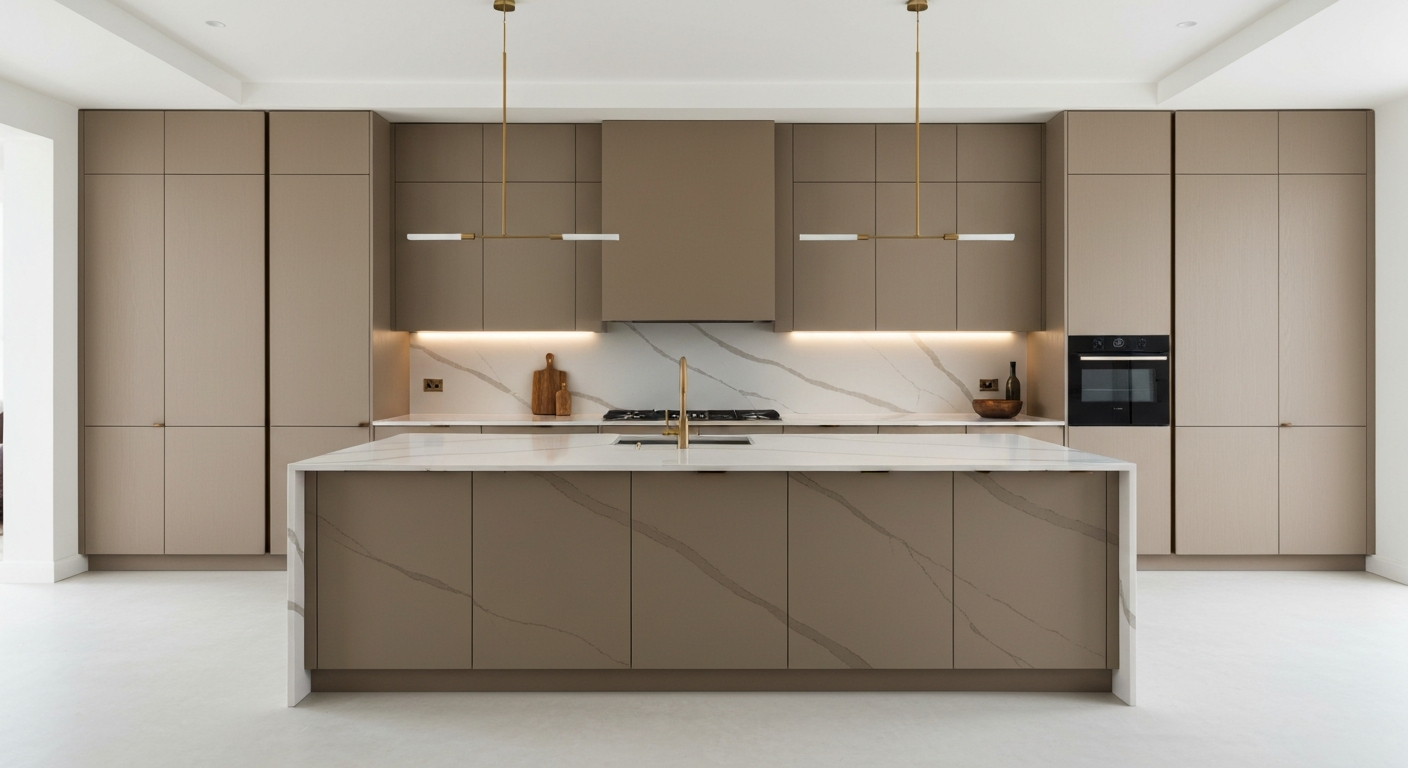
2cm material is becoming increasingly popular, particularly in modern, minimalist designs and for quartz installations. It offers a sleek, contemporary profile.
Pros
- Cost-Effective: Less material means a lower price point for the slab itself.
- Lighter Weight: Easier to transport and install, putting less stress on your cabinetry.
- Modern Look: The thinner profile is highly sought after in contemporary, European-style kitchen designs.
- Great for Vertical Applications: It's the perfect thickness for full-height backsplashes and shower walls.
Cons
- Requires Substrate: In many cases, it requires a plywood decking underneath for support, which adds labor time.
- Laminated Edges: If you want a thick look with 2cm stone, fabricators must laminate (glue) an extra strip around the edge, which can sometimes show a visible seam.
- Shorter Overhangs: Cannot support large overhangs without additional corbels or steel bracing.
Which Should You Choose?
If you love a traditional, chunky look and want a large seating overhang on your island without visible supports, 3cm is the way to go.
If you prefer a sleek, modern aesthetic, are trying to stretch your budget, or need material for a vertical backsplash, 2cm is an excellent choice.