If you've been researching new countertops, you've probably found hundreds of articles comparing quartz and granite. Unfortunately, many of them are written by marketers rather than people who actually fabricate and install countertops every day.
At Simply Solid Surface, we've been fabricating and installing countertops in the Houston area since 1999. After completing thousands of residential and commercial projects, we've learned that there is no "one-size-fits-all" answer when it comes to choosing between quartz and granite.
Both materials are excellent choices. The key is understanding which one best fits your lifestyle, design preferences, and expectations.
Why More Homeowners Are Choosing Quartz
Over the last decade, quartz countertops have become one of the most requested countertop materials, and it's easy to understand why.
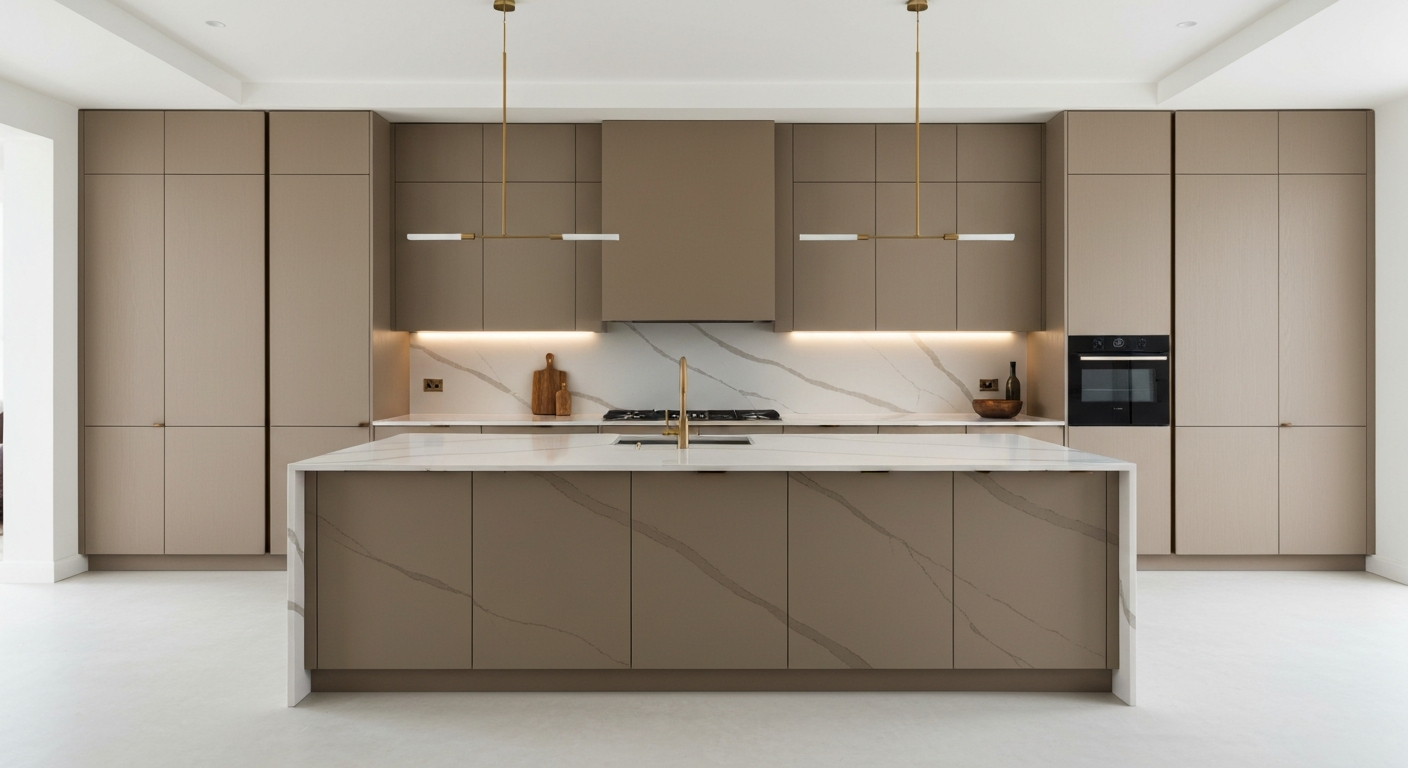
Most homeowners today are looking for clean, bright kitchens with simple and consistent designs. Quartz delivers exactly that.
Unlike natural granite, quartz offers a more uniform appearance from slab to slab. This consistency makes it easier for homeowners to achieve the look they see in design magazines, Pinterest boards, and home renovation shows.
Many customers also appreciate that quartz does not require sealing. For busy families, professionals, and homeowners who simply don't want another maintenance task on their to-do list, quartz is often viewed as the "set it and forget it" option.
Homeowners often choose quartz because:
- They prefer cleaner, less busy patterns.
- They want consistency throughout the kitchen.
- They love the look of white and light-colored countertops.
- They don't want to think about sealing their countertops.
- They want a low-maintenance surface for everyday living.
The Truth About Granite Maintenance
One of the biggest reasons homeowners avoid granite is the belief that it requires constant maintenance.
In our experience, the perception of maintenance is often a bigger issue than the maintenance itself.
Many customers become intimidated when they hear granite needs to be sealed. However, sealing granite is typically a simple and affordable process that takes only a few minutes. Modern granite sealers are easy to apply and can provide long-lasting protection.
We regularly speak with homeowners who chose quartz primarily because they were worried about granite maintenance, only to discover later that maintaining granite wasn't nearly as difficult as they expected.
That doesn't mean quartz isn't a great choice—it absolutely is. But homeowners should understand that granite maintenance is often far easier than online articles make it sound.
Common Misconceptions About Quartz Countertops
One of the biggest myths we hear is:
"Quartz is completely heat resistant."
This is not true.
Quartz countertops are made from natural quartz combined with resin binders. Those resins help create the consistent appearance that homeowners love, but they can also be susceptible to heat damage.
Placing a hot pot, pan, crockpot, air fryer, or other heat-generating appliance directly on quartz can potentially cause discoloration, cracking, or thermal shock damage.
We always recommend using trivets or hot pads regardless of the countertop material you choose.
Another common misconception is that quartz can be used anywhere.
Many homeowners don't realize that most quartz manufacturers do not recommend quartz for outdoor kitchens, exterior applications, or areas with prolonged direct sunlight. UV exposure can cause some quartz products to fade or yellow over time.
When Granite May Actually Be the Better Choice
While quartz is incredibly popular, granite still offers advantages that many homeowners overlook.
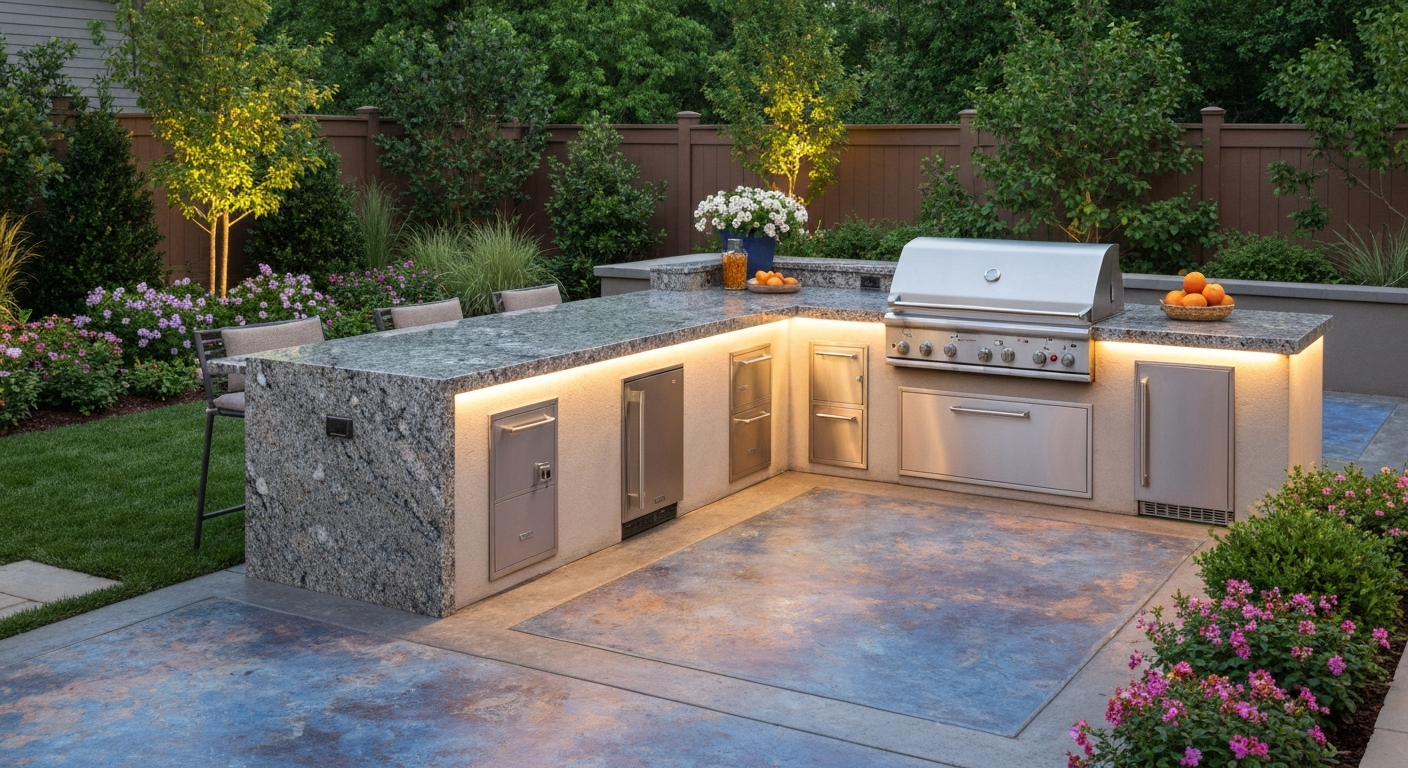
Granite is a natural stone that handles outdoor environments much better than quartz. For outdoor kitchens, barbecue areas, patios, and exterior entertainment spaces, granite is often the superior choice.
Granite also performs exceptionally well in environments where heat exposure is a concern.
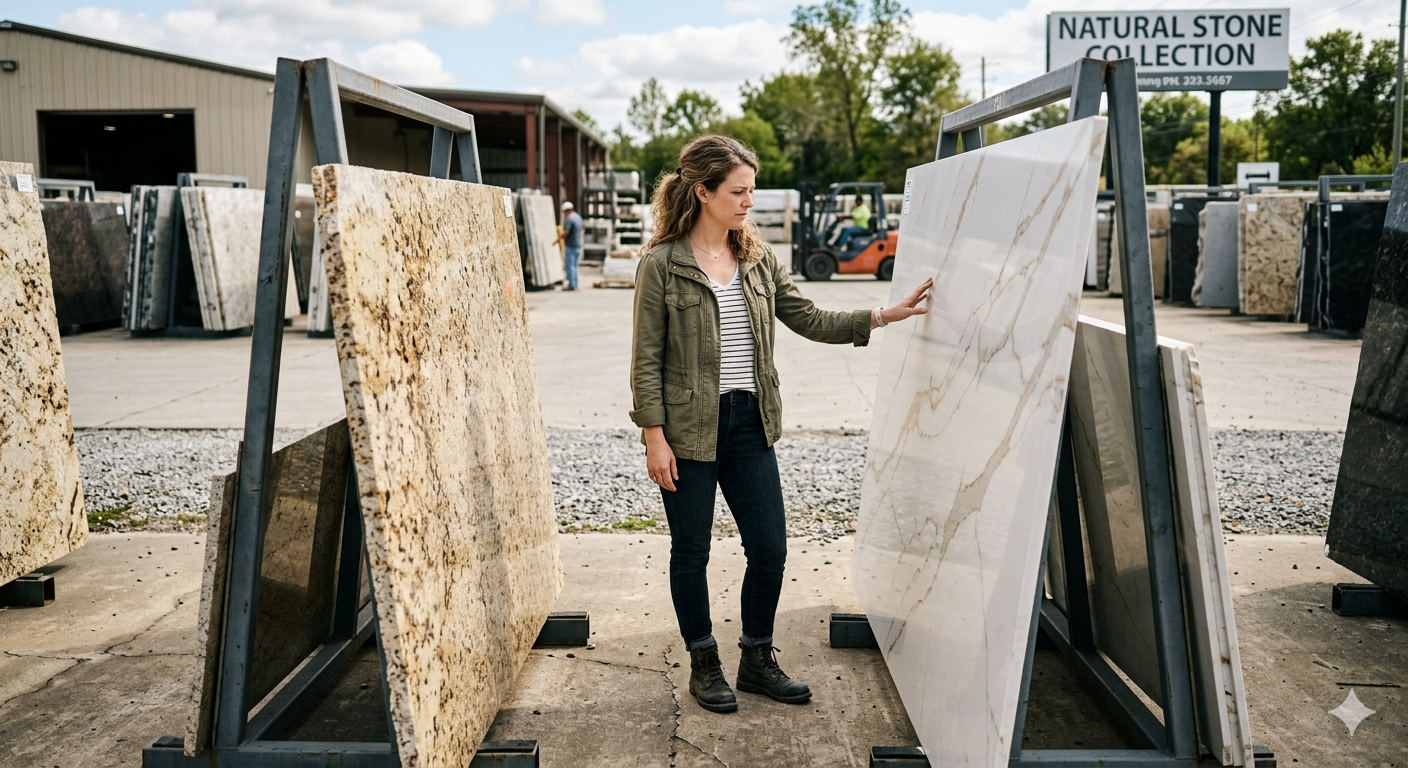
Additionally, many homeowners simply love the uniqueness of natural stone. No two granite slabs are exactly alike. Every slab has its own movement, color variation, and character.
For some homeowners, that's not a drawback—it's exactly what makes granite special.
Quartz vs Granite: Which One Should You Choose?
After more than 25 years in the countertop industry, our advice is simple:
Choose Quartz If:
- You want a clean, modern appearance.
- You prefer consistent colors and patterns.
- You want minimal maintenance.
- You're looking for popular white or light-colored designs.
- You want a countertop that blends seamlessly throughout the kitchen.
Choose Granite If:
- You love the beauty of natural stone.
- You want a one-of-a-kind countertop.
- You're installing countertops outdoors.
- Heat resistance is a major concern.
- You don't mind occasional sealing.
Our Honest Recommendation
If a friend or family member asked us whether they should choose quartz or granite, our answer would be the same as it has been for years:
Choose the material that best fits how you live.
Quartz is an outstanding option for homeowners who want consistency, simplicity, and low maintenance.
Granite remains an exceptional choice for homeowners who appreciate natural beauty, need outdoor durability, or want a countertop that is truly unique.
The truth is that neither material is universally better than the other.
The best countertop isn't the one with the biggest marketing budget—it's the one that fits your home, your lifestyle, and your expectations.
If you're still unsure which material is right for your project, our team can help you compare quartz and granite options in person and find the perfect countertop for your kitchen, bathroom, outdoor kitchen, or commercial space.